
No matter how much you look after your vehicle, it is exposed to the harsh elements of the outdoors each time you drive and park it. Kicked up from the ground, transferred from another vehicle or fallen from the sky, there’s isn’t much you can do prevent these contaminants from making contact with your car. The best course of action is to book regular auto detailing to prevent damage.
Let’s take a look at some of the most common contaminants on a vehicle’s exterior. Just how dangerous are they, and how can they be treated?
Bird Droppings
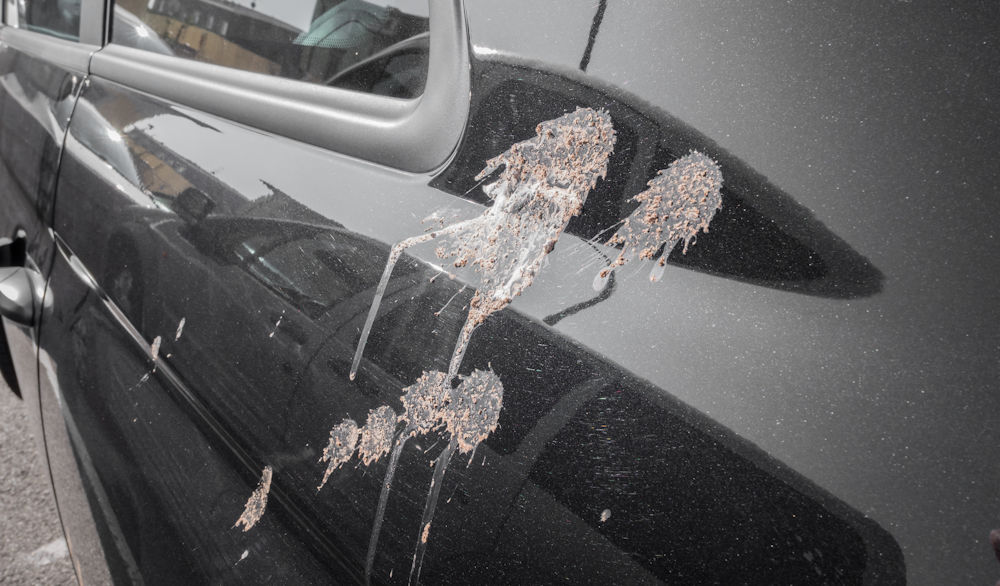
Bird droppings are one of the more threatening contaminants that will end up on your car. And there’s nothing you can do to avoid it. Parking underground or in a covered area will help, but as soon as you hit the road, you’re flying around unprotected.
Bird droppings have the ability to produce acidic etching and permanent paint damage if left untreated, especially in hot, dry weather. The worst thing you can do is allow the bird droppings to harden before trying to scrub them off. Instead, soak the effected area with warm soapy water for a while before carefully wiping with a microfiber cloth. These droppings can cause damage in a short span of time, so it’s best to address them as soon as you notice them.
Tree Sap

If you’re regularly parking your vehicle in shaded areas with plenty of tree cover, you’re bound to collect tree sap on your vehicle’s exterior. The acidic component of this sap can cause etching on the car’s clear coat of paint if left for a while. After some time, you’ll start to notice yellowish ring-shaped spots.
To prevent this resin from hardening and avoid the need for professional paint correction, act fast when you notice tree sap on your vehicle. You can buy commercial sap removers or use household products like WD-40 to break down the sap safely. But be sure to avoid scrubbing – if the residue is being stubborn, you may need professional help and clay bar treatment.
Brake Dust
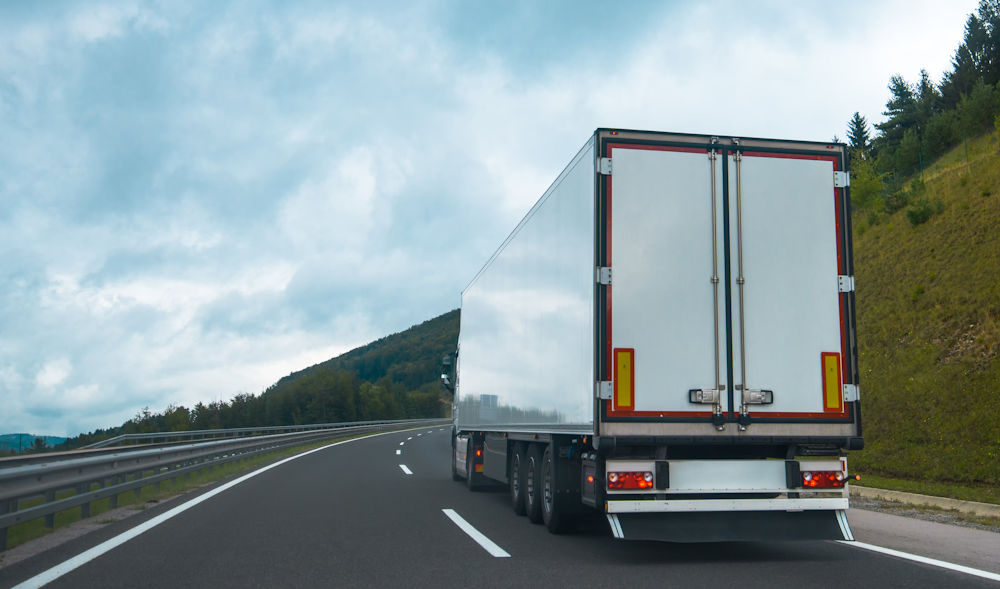
Tiny iron filings and carbon deposits tend to fly off brake systems when you’re in motion. These particles often gather on wheels on lower paint panels of the vehicle, causing corrosion and pitting when left unattended.
There are iron fallout remover products you can buy that will dissolve these particles. But your best line of defense is regular exterior washing, which will prevent permanent damage. You can also use a sealant or wax to soften the blow from future brake dust collection.
Mineral Deposits
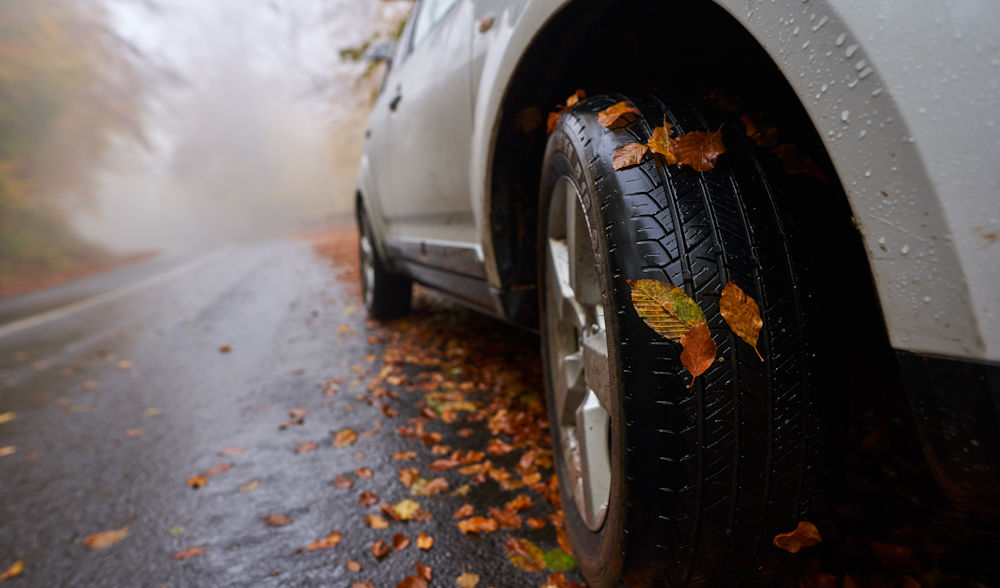
Also known as hard water spots, mineral deposits made of calcium or magnesium will collect on your car and leave white, crust or cloud rings. These deposits are left behind from water, whether it be from the rain, the hose, or the sprinkler. If you leave these mineral deposits for too long, the minerals can bond with the clear coat and cause corrosion.
Especially when it’s hot out, ensuring your vehicle is dried after a wash is important. Whenever possible, keep your car dry in the sun. If you notice these mineral deposits on your vehicle, you can try a vinegar solution or dedicated water spot remover to avoid damage.
Pollen

Pollen is the powdery substance that falls from trees and grasses, triggering allergies and landing on the exteriors of vehicles everywhere. Pollen can act as an abrasive on car paint, causing scratches and etching if left for long periods. And when pollen is mixed with rain, the acidity can enable pollen to bond to paint and damage it.
When you’re cleaning your car with pollen on it, make sure you aren’t wiping it unless the vehicle has been thoroughly rinsed beforehand. In order to avoid paint damage, wash your vehicle regularly and apply protective coatings when you get the chance.
Bugs
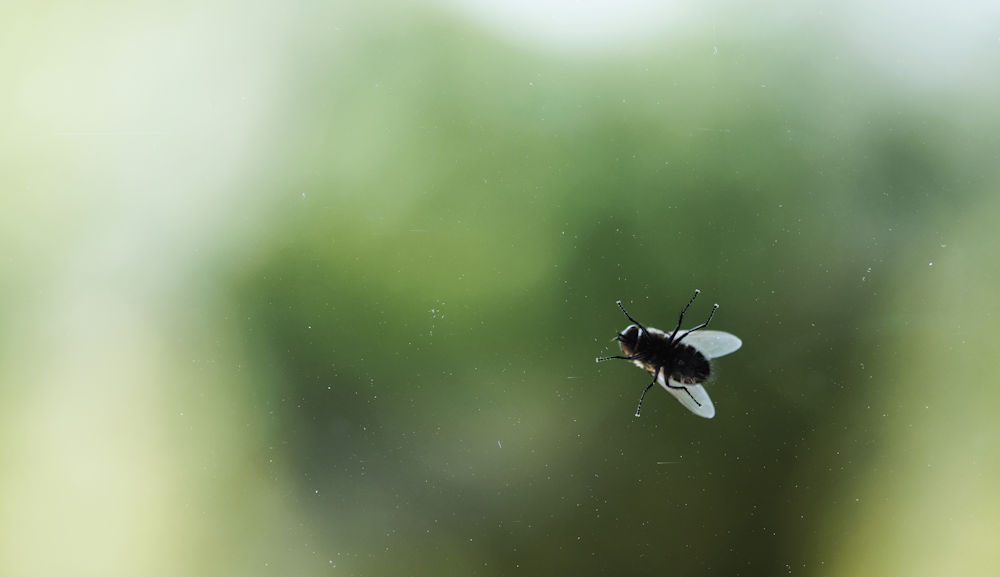
After a highway haul, you’re bound to collect numerous dead bugs on the front of your vehicle. While the bug guts will cause an ugly mess, they’re also highly acidic, which can easily corrode the paint on you car. If you leave guts splattered on your car in warm weather, they can cause permanent damage.
The best approach is to soak the mess in warm water, with a towel or otherwise, before applying a dedicated bug remover. A thorough rinse and hand wash on a regular basis will also help keep the front of your car clear of bug debris and further damage.
Dust & Dirt
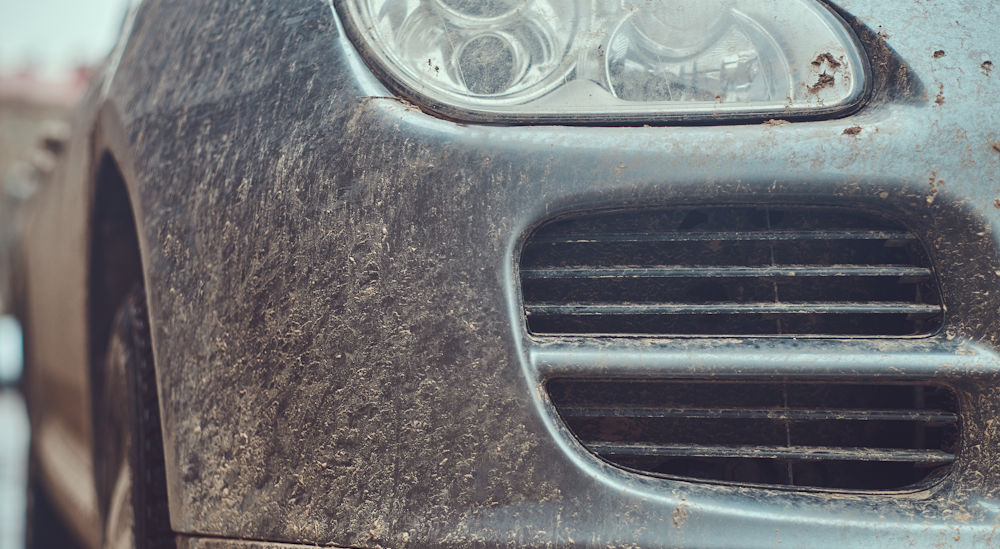
Regardless of where you drive or park your vehicle, it will collect dust and dirt over time. While less harmless than other contaminants, leaving dust and dirt for too long could cause microscopic abrasions on your car and dull the paint.
Keep dust and dirt at bay by staying on top of regular washing. Once a week is ideal, but if you’re driving through an extra dirty area, fast action is best to prevent buildup.
De-Icing Chemicals
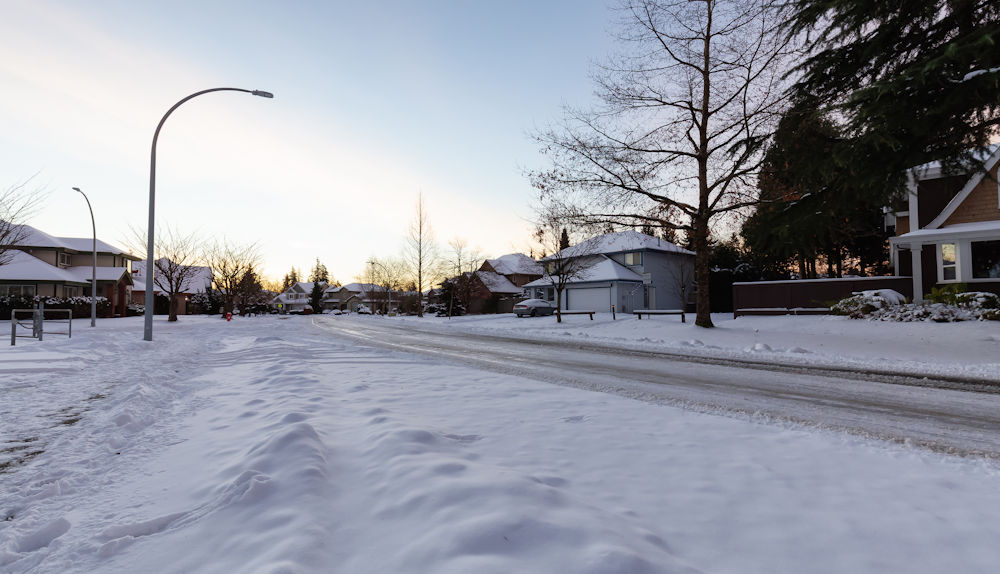
When snow is expected to fall, municipalities and businesses will use de-icing chemicals to coat roads, sidewalks and driveways. These de-icing agents can be extremely harmful, made of salt, magnesium chloride, and calcium chloride. These chemicals will jumpstart corrosion on paint and promote rust on metal surfaces.
When there’s snow or ice on the ground, frequent washing – with a focus on the undercarriage, becomes even more important. Visit your local auto detailer for a complete exterior wash and receive protective coatings that can help defend against rust and corrosion.
Protect your vehicle all year round with regular detailing from Mill Bay Auto Spa. We provide the ultimate car clean, offering premium detailing services for both the exterior and interior of your vehicle. Contact us today to request a detailing service.