
When buying or selling a vehicle, consumers tend to gravitate towards the reading on the odometer. After all, the kilometre count is a good indicator of how much the car was used. But what this number doesn’t account for is everything else, including how the car was maintained and looked after year over year.
This article details some of the factors to watch for that impact the resale value of a vehicle:
Maintenance Schedule
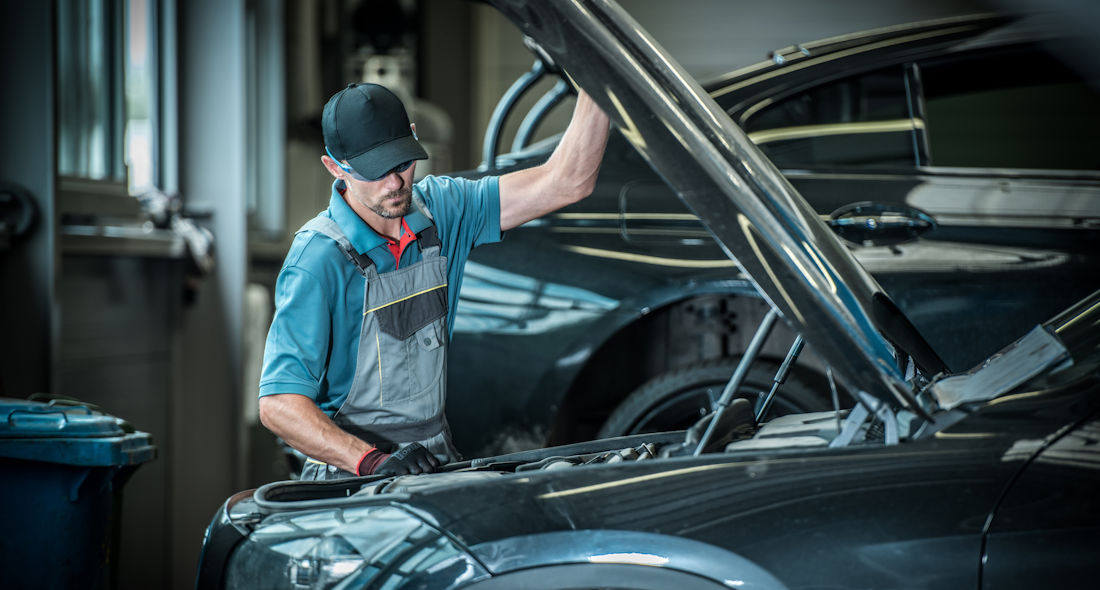
A vehicle with over 200,000km might seem like a risky purchase – and it could be. But if that vehicle was maintained diligently throughout its entire lifespan, it may be a safer buy than the neglected vehicle with less than half the kms.
Keeping up with regular maintenance and upkeep is one of the best ways to not only avoid extremely costly repairs down the road, but also retain resale value. Keeping up with routine oil and filter changes is important every 8,000-12,000kms, while asking your mechanic to check the brakes, battery, other fluids, spark plugs, belts and hoses. Then from home, you can stay on top of fluid levels and tire pressure.
If you own a vehicle you hope to resell one day, it’s always a good idea to track every little bit of maintenance and keep your receipts. A detailed record will be valuable to potential buyers down the road.
Accident History
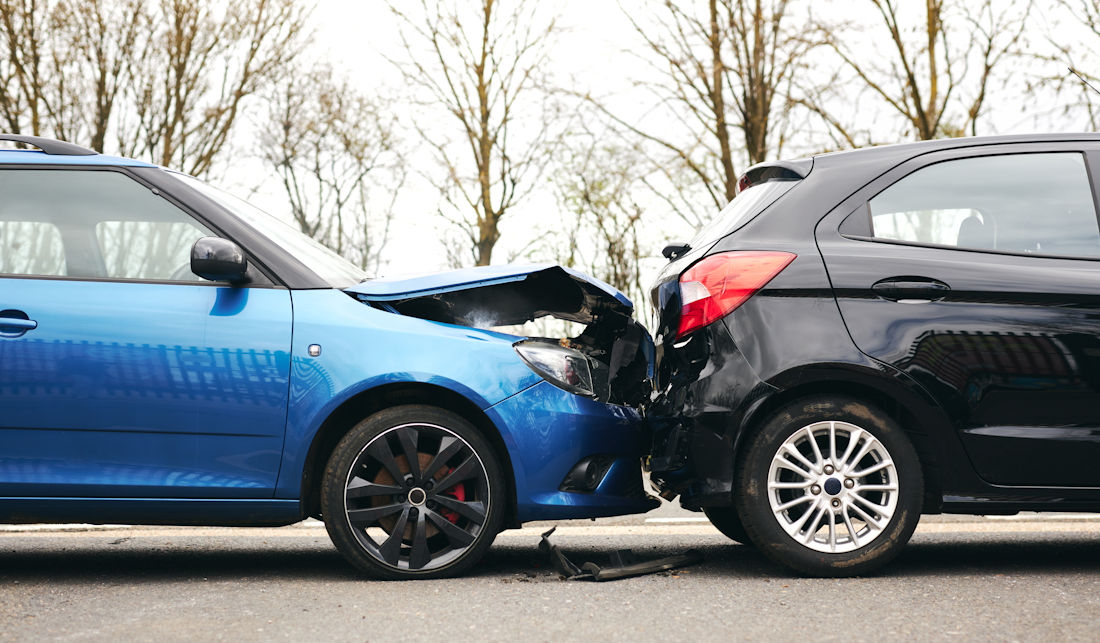
Accident history is another factor that can greatly impact the value of a vehicle. A car with a turbulent accident history is always a riskier buy than one that’s remained accident-free, regardless of the odometer reading.
If a vehicle has been in an accident, it raises questions and sows doubt. Even if the car was repaired flawlessly, concerns will linger about the structural integrity of the vehicle. Plus there’s the stigma of a previous crash. Then there’s the worry about the standard of repair. Was it completed by a reputable mechanic and body specialist? Or was the repair patched together by your neighbour? It’s difficult to know for sure.
If your vehicle does have an accident history, honesty is the best route. If you can, produce receipts with detailed records of work done. After all, accurate accident information is usually available in a CARFAX report if the buyer doesn’t trust a seller.
Usage on the Roads
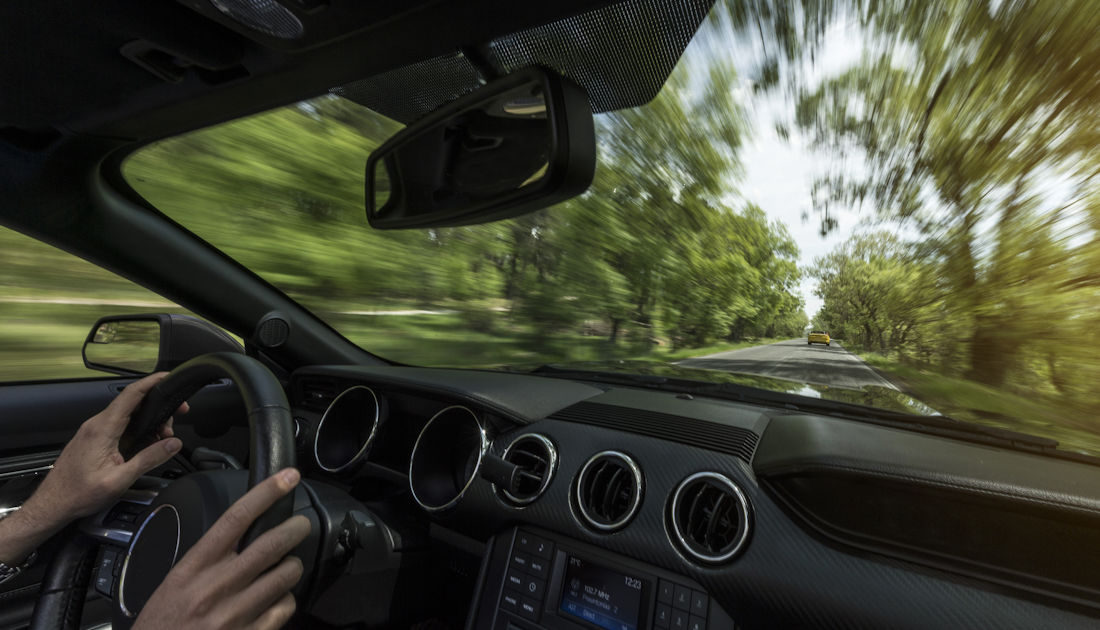
Aside from simply how far a vehicle was driven during its lifespan, it’s important to consider how it travelled those kilometres. Usage on the roads is a big deal, and if you knew how a used car was really treated out on the road, it might cause you to reconsider a purchase.
There are a few ways vehicle usage can make a difference:
- How – Cars that are driven cautiously could end up in very different condition than cars that are driven aggressively. Over time, hard acceleration, slamming on the brakes and taking corners aggressively wears on a vehicle’s components.
- When – If an old car has a suspiciously low odometer reading, that probably means it was parked for long period. This isn’t idea either. Cars are meant to be driven, and failing to do so can degrade the fluids, tires, fuel lines and rubber seals.
- Where – A vehicle driven strictly in the city versus one that’s taken regularly on the highways makes a difference too. In general, city driving is tougher on a vehicle due to more frequent stops, starts and mechanical strain. For that reason, a city-driven car will command more frequent maintenance and oil changes.
Make & Model Demand
Certain makes and models will retain resale value better than others. And a lot of this has to do with reputation. Certain models carry known issues – just ask your mechanic. Models with strong fuel economy and safety ratings may retain more value as well.
Automakers like Toyota, Honda and Lexus tend to hold their resale value better, being known for long term durability. German automakers like Mercedes, Audi and BMW may fetch a premium as well, although buyers may be wary of elevated repair costs.
The type of vehicle also plays a part. At the moment, small pickup trucks and SUVs hold their resale value better than smaller, standard-sized cars. But consumer preferences always change over time.
Tech Features
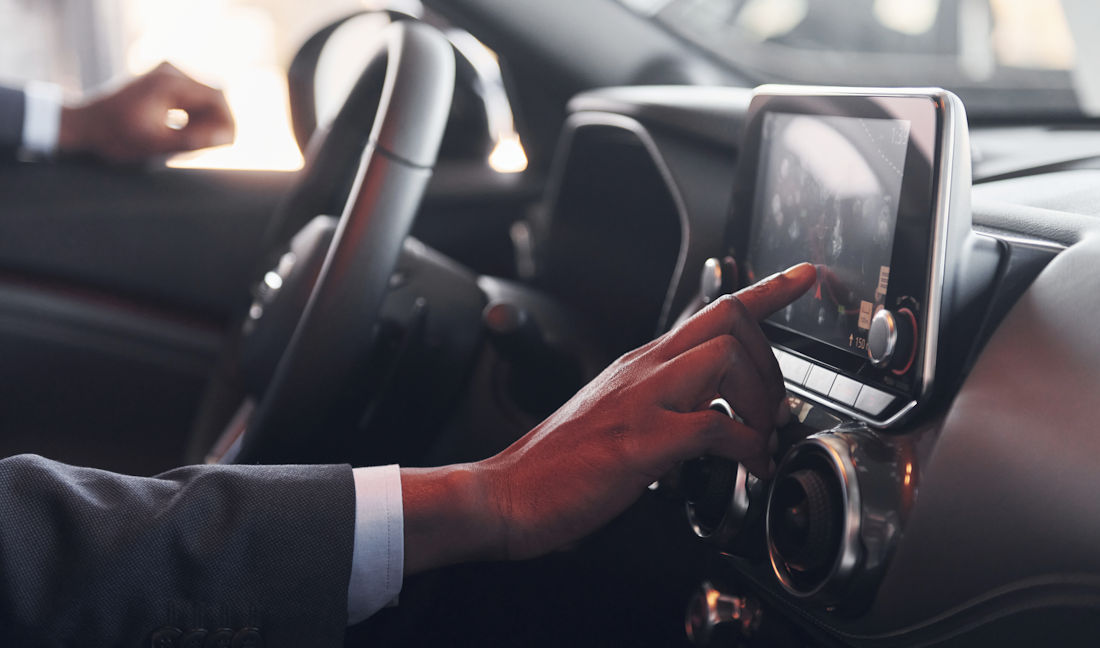
These days, one of the downsides of purchasing an older vehicle is the lack of modern tech features. Technology is difficult and expensive to integrate with older vehicles that are not compatible. And some features are not even possible to add.
One thing people look for in a used vehicle is the ability to integrate with their phone. Many older cars that don’t have Bluetooth capabilities, display screens or any means to connect to a phone will command less on the resale market. Adding those parts can be quite expensive and cumbersome.
Other conveniences like heated seats, push to start and high quality audio systems will fetch more resale value. Features like these are either impossible to integrate with older cars or too expensive to even try.
Wear & Tear
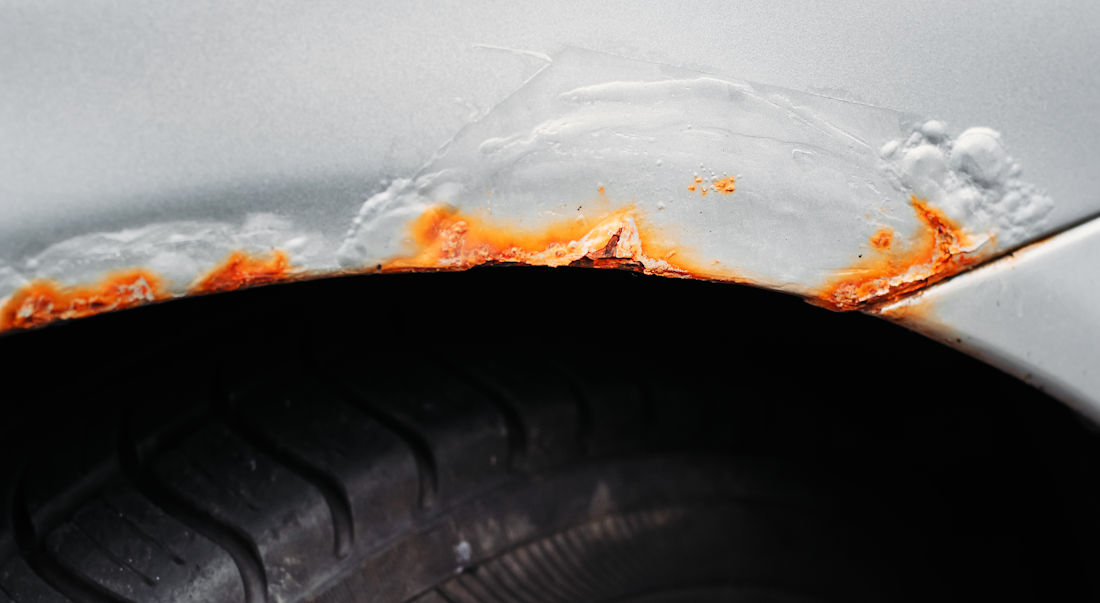
The appearance of the vehicle matters too. It might have low kms, but how does it look? Cars that show visible wear and tear may not be worth as much as ones that have obviously been well looked after. Body rust, cracked upholstery and paint swirls are just some of the wear markers to watch for.
The best way to keep your vehicle looking in tip-top shape is to visit a premium auto detailer once and a while. Your car will experience the ultimate car clean at Mill Bay Auto Spa, with thorough interior and exterior detailing services including clay bar treatment, ceramic coating, glass cleaning, tire dressing and much more.