
There’s nothing quite like the thrill of driving with the top down. A convertible provides the unique opportunity to feel the rush of fresh air as you bend corners along the open road.
But by the time November rolls around, convertible seasons is over here in Victoria. It’s a great time to clean and care for your soft top so it’s ready for action in the Spring. In this article, we’re sharing tips for driving, caring, storing, cleaning and detailing your soft top convertible.
Driving a Soft Top
There are a number of things you can do to protect your soft top while you’re driving with it up. If it’s winter, the best thing you can do is leave it up. Trying to fold it down in freezing or near-freezing temperatures could cause it to stretch, tear or crack along the seams.
If it’s extra chilly out, make sure you’re driving with a little heat on inside. Turn the vents upwards to ensure the soft top is able to retain heat, which they’re known to struggle with.
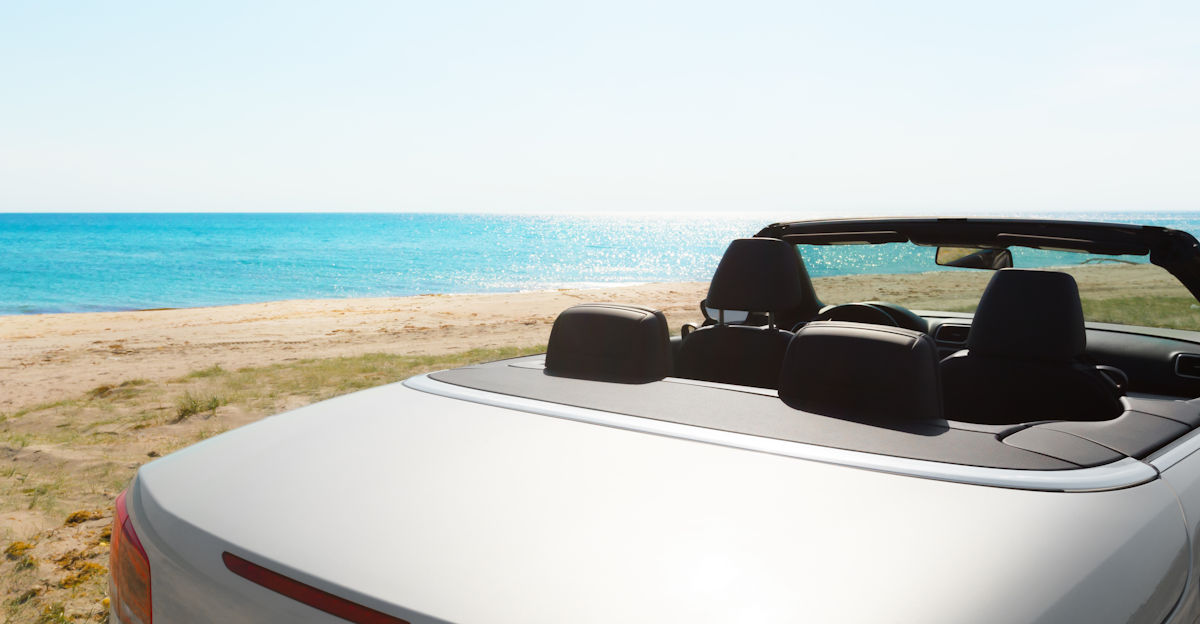
Driving with the soft top – especially on the highway, it’s best to mange the airflow by leaving one window down or deploying the convertible to be partially open if that’s an option. That way you can avoid heavy drafts that can create a parachuting effect when you’re on the highway.
Storing a Soft Top
When you park your convertible, dealing with standing or pooling water should be a priority. Mold and mildew are a real threat if excess water has its way. When you’re parking the car, do your best to blot the water with a microfibre cloth and do not fold the soft top down if its wet.
If it’s been raining pretty heavily lately, it’s a good idea to de-clog the drain holes as best you can. You can thread a small, flexible cable or something like a weed-whacker line through the drain tubes to flush out trapped debris.
If you have the ability to complete remove your soft top and replace it with a hard one during the winter months, this can really preserve the soft top’s life. Save it from the winter conditions by storing it in a breathable nylon bag to protect it from dust and insects. Just make sure it’s stored away from direct sunlight or freezing temperatures.
If your soft top has plastic windows, store them with layered towels between them to prevent them from stacking on top of each other and scuffing.
Rubber Seals
A soft top relies on numerous rubber seals to create an air-tight seal and prevent moisture from entering the vehicle. When you’re done driving around top down for the season, it’s time to show those seals some love. To find all the seals on your vehicle, refer to your manufacturer.
You can wash the rubber seals with warm, soapy water or maybe some gentle all-purpose cleaner. When you’re finished, be sure to dry them thoroughly. To preserve the rubber, a special conditioner can keep them supple and water resistant all year round. Just avoid any harsh household products, and give the conditioning fluid enough time to absorb into the rubber.
Plastic Windows
Many soft top convertibles come attached with clear, plastic windows. You’ll want to clean these once in a while as well – just not like you would a standard window. Ditch the glass cleaners and paper towels in exchange for a damp cloth and a vinyl cleaner. You can even find dedicated polishing products to buff out minor scratches.
Cleaning & Waterproofing
Cleaning your soft top convertible is a three-step process. You start with cleaning before drying then eventually waterproofing for long-term protection.
Cleaning the actual soft top material begins with a thorough scrub with a fabric cleaner. If you’re using soap, make sure it’s pH-neutral. A soft bristle brush works great here, or just a microfiber cloth. You just won’t want to use anything abrasive or harsh on the fabric. There are a number of solid products available for a DIY-clean, or you can take your soft top to a professional car detailer for a premium, spa-like clean.
When you think you’re done cleaning, there’s a good chance soap suds are still trapped in the material. The goal should be to remove as much of that as possible before drying and waterproofing. This can be done by use a soft bristle brush and massaging the soft top. You should notice soap suds surfacing. Then you can rinse everything away with a gentle spray.
Once the material is clean, it’s time to let it dry. Be patient during this step before applying any other product. Special drying blankets are super effective if you have something like it. If not, time will do.
Pro tip: To check if your soft top is completely dry, place a clear plastic bag on top and leave it for about 15 minutes. If the bag is dry when you return, the soft top is dry and ready for waterproofing. If the soft top is still damp, condensation will form on the bag.
When the soft top is fully dry, then you can move to the waterproofing stage. Proper waterproofing keeps rain and moisture out of the interior of your vehicle while protecting all the important stuff underneath. Mold and mildew won’t stand a chance.
There are a number of solid waterproofing products out there that will work safely. With a spray bottle and a big sponge, apply the waterproofing protection throughout the material and in all the little seams and creases.

Cleaning a soft top isn’t as simple as a regular car. Different materials have different needs, along with unique ways they can be damaged. Your safest bet is to take your convertible in to a professional auto detailer. Then you can be sure your car is getting the best possible protection and care.
Contact Mill Bay Auto Spa to request a service at a time that’s convenient for you.