
Detailing an electric vehicle (EV) is not as straightforward as you might think. They’re more sensitive than gas cars. With an EV, different detailing practices will need to be employed in a more specialized approach. The challenge, of course, is the fact that EVs are loaded with high-power batteries.
If you choose to take matters into your own hands and clean your own EV, extreme caution is needed to avoid causing damage. Taking your EV to an experienced auto detailer is your safest bet.
In this article, we’re breaking down the unique challenges and risks of detailing an EV.
Battery Harbour & Sensors
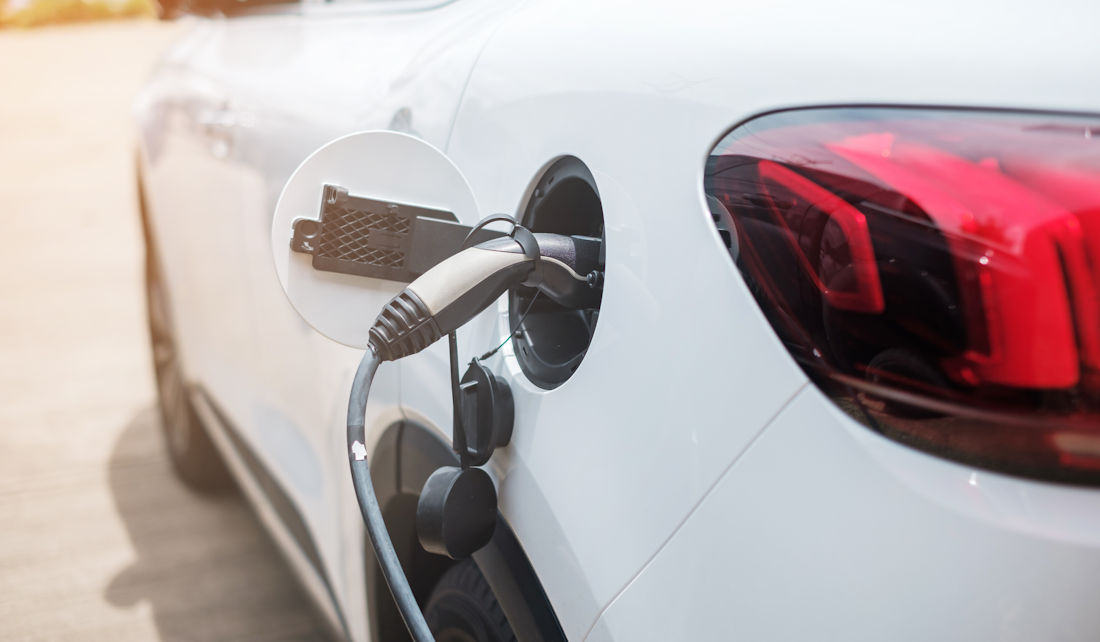
The primary risk of cleaning an EV is working with high-voltage systems that can produce not only a strong electric shock, but release of toxic gases when badly damaged. Water and electronics do not play well together. While your chances of producing an electric shock while cleaning an EV are very low, you could do a lot of damage quite easily.
You should never be using high-pressure water when cleaning an EV. These cars are not designed to withstand thousands of pounds of pressure being sprayed directly at the charging harbour. Water can erode the contact legs of the charging port, leading it to degrade over time. You may also find the vehicle overheats quicker and charges slower when the charging harbour has been exposed to moisture. Intense water pressure on the battery housing can also produce unwanted moisture seeping through areas with little insulation.
Another complication with EVs is the network of cameras, detectors and sensors spread across the vehicle that enable self-driving and other automatic features like lane assist, auto-braking and collision warnings. This technology is highly sensitive, calibrated within a millimetre. High-pressure water or an errant cleaning wand could damage or misalign these sensors.
Sensitive Paint on EVs
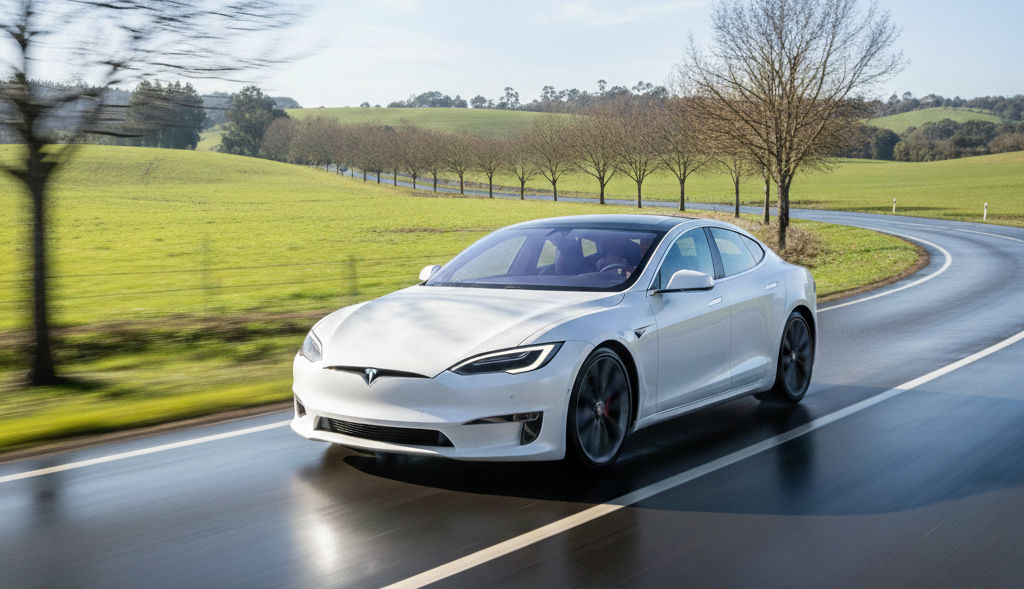
Many modern EVs use a softer paint that’s thin and lightweight, often made with aluminum and composite materials. While this paint is better for energy efficiency and battery range, it’s also more susceptible to damage. More so than traditional metals used in standard gas cars, EVs are prone to exterior damage from scratches, dents, and environmental contaminants. And if it’s been snowing, the problem becomes magnified as all that buildup of dirt and dried snow adds a layer of gritty friction. Extreme care is required. Improper car washing equipment and techniques could damage the paint layer.
When you take your EV to an experienced car detailer like Mill Bay Auto Spa, we take great care in protecting specialized paint. And ceramic coatings and paint protection films can be applied to keep the vehicle looking amazing for longer.
Vegan Leather
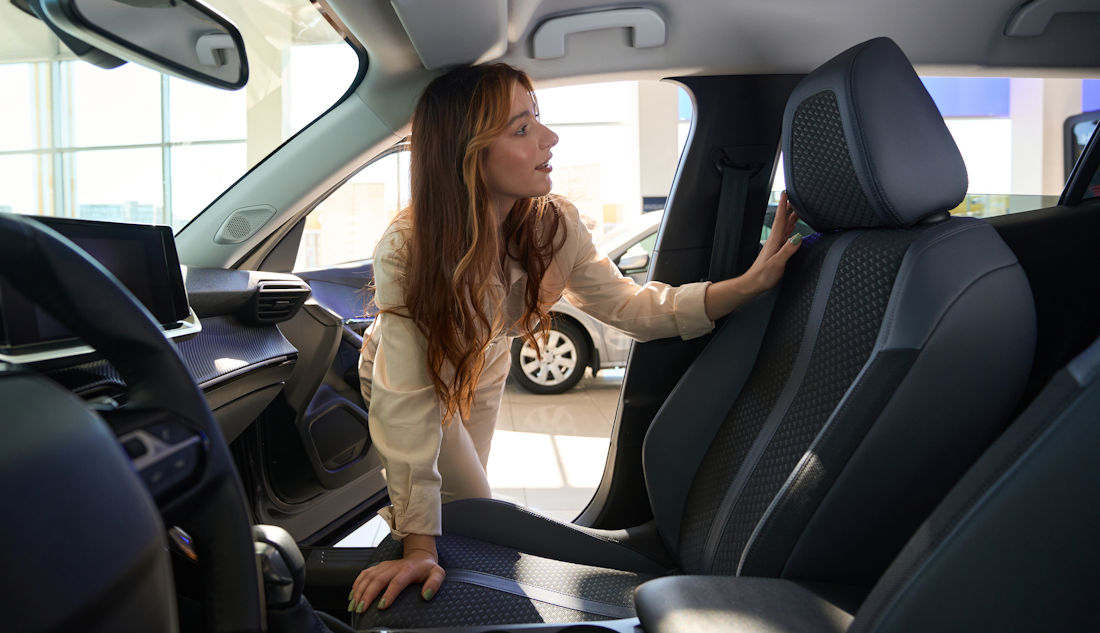
Many new EVs, especially Tesla, use modern vegan leather for seats and upholstery rather than traditional cowhide leather. This vegan leather is made from synthetic polyurethane or polyvinyl chloride.
Not only are these synthetic materials sensitive to heat, they also cannot be cleaned with typical leather cleaners. Because these petroleum-based products are designed for organic materials like cowhide, they will degrade a synthetic material. That’s because rather than soaking into the material, the cleaning product will sit on top of it, attracting dirt and causing shelling and washing.
When cleaning these vegan leather interiors, all you need is a microfiber cloth, warm water and some very mild detergents to get the stains out. Avoid harsh cleaners at all costs, and be sure to always let the material air dry without a heat source or direct sunlight.
Interior Touchscreens & Electronics

Staying inside the EV, there are a couple of other risks presented when detailing the vehicle. The first issue is the big touchscreen displays. Most modern EVs feature large central command screens and infotainment systems throughout the vehicle. These screens use base LCD technology plus multiple layers of specialized glass, adhesives and conductive coatings. But this isn’t regular glass, which means standard glass cleaners won’t work. A regular glass cleaner can lead to “ghost touching”, when the screen believes it’s being touched by a finger, when it’s actually just being impacted by cleaning residue.
The other issue presented inside an EV is the battery pack running along the bottom of the vehicle, along with battery cooling lines and cables. With electronics underneath, the vehicle becomes hyper-sensitive to moisture. That means traditional steam cleaning techniques could be damaging. To make matters worse, the bottom mats and carpeting of an EV are usually thinner in order to boost the battery range. You’ll need to use extreme care or the help of a trained professional to detail the interior of your EV without damaging it.
Mill Bay Auto spa is the place for the ultimate, spa-like car clean. Our team gives meticulous attention to each vehicle, especially if it’s an EV. Contact us today and request a service.