
Living on Vancouver Island, we’re exposed to a unique climate that isn’t always ideal for our vehicles. In what’s normally a very mild and favourable climate, the Island still gets hot, cold – and of course, very wet. These conditions can make it challenging to keep cars in prime condition.
This article details the weather and environmental threats to your vehicle, along with how you can protect your car from these elements.
Weather & Environmental Threats
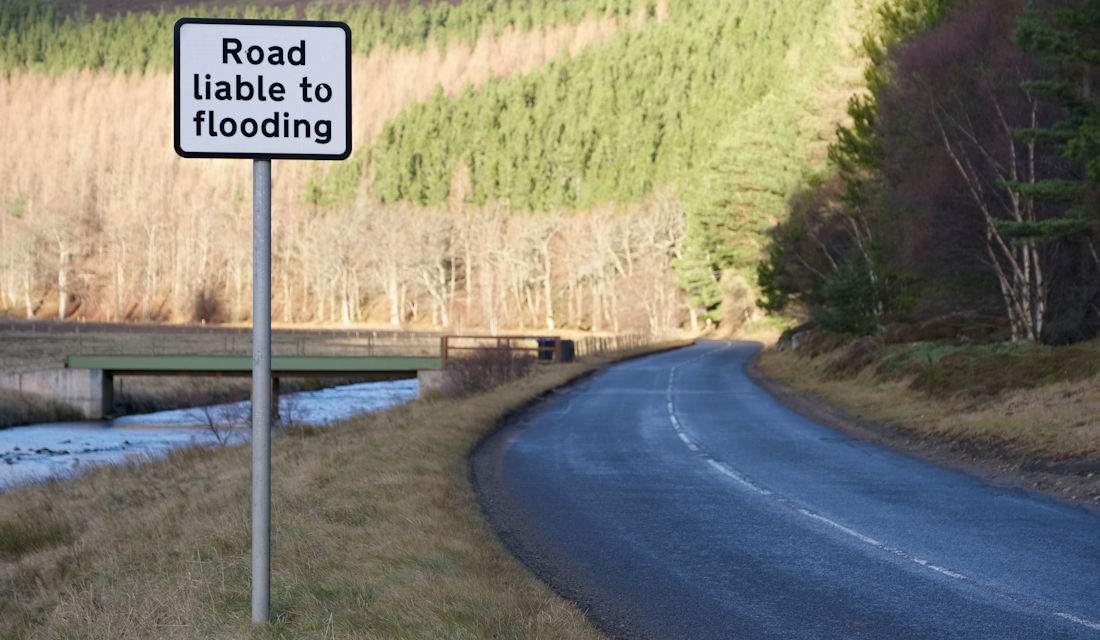
We’re lucky to have one of the mildest climates in the entire country, with dry summers that aren’t too hot and winters with minimal snow and freezing temperatures. The mild temperatures are ideal for vehicles, but the Island presents its own unique environmental threats.
Rainfall
Here on this rugged western coastline, we’re no stranger to the rain. We get a lot of it, particularly during the fall and winter, which is historically our stormiest season. Plus, you’re probably heard all the talk about our atmospheric rivers, which have been making more frequent appearances in recent years.
While the rainfall itself isn’t especially damaging to cars – since they are designed to be waterproof and the rain is clean, excess rain creates problems. Heavy rain can lead to flooding on low-lying roads, not to mention excessive moisture which and mold growth conditions.
Salt
Salt generally does not mix well with vehicles. Living in a coastal area like Vancouver Island, the salt in the air from nearby waters is always a threat to the paint and undercarriage of vehicles.
Salt on the road is a threat too. It kicks up off the road with the ability to wear down and damage brake lines and wheel wells. While we don’t use much salt outside of a couple of months, you’re sure to encounter salted roads on major highways like the Malahat.
Wildfire Smoke
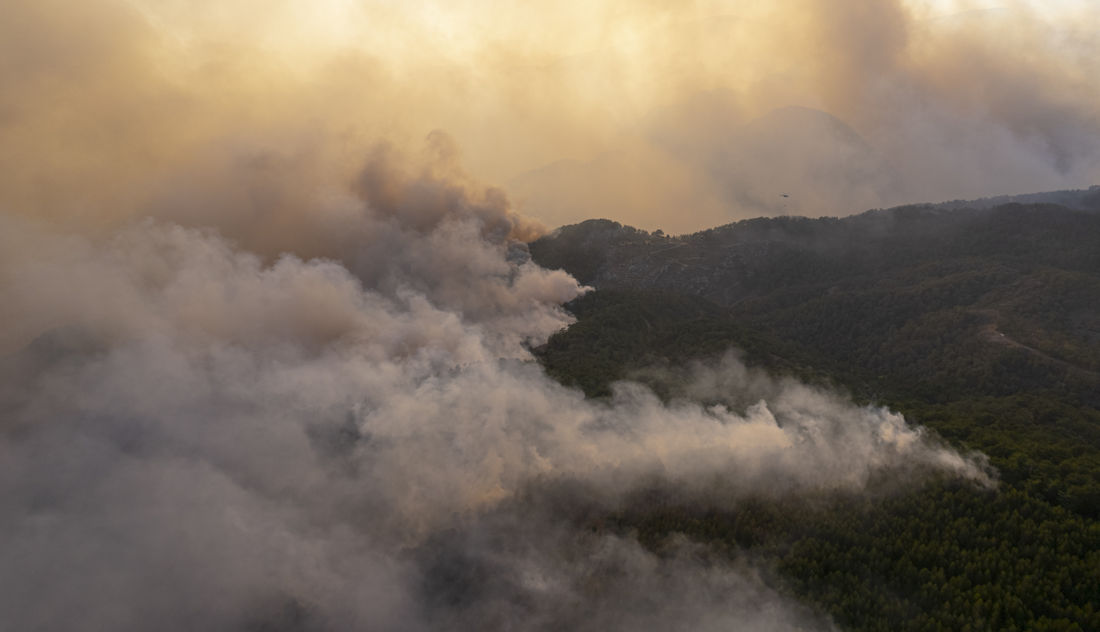
In the summertime, there’s always the risk of forest fire nearby. While the Island still doesn’t get affected as badly as the interior of the mainland, the smoke is never far away. Not only can wildfire smoke slowly degrade paint, but it can also clog up filters. If there’s falling ash, it can be quite damaging too when mixed with water or rainfall, posing a risk to those washing their cars by hand.
Protecting You Car
Here are some of things you can do to defend your vehicle against a Vancouver Island climate:
Vehicle Undercarriage
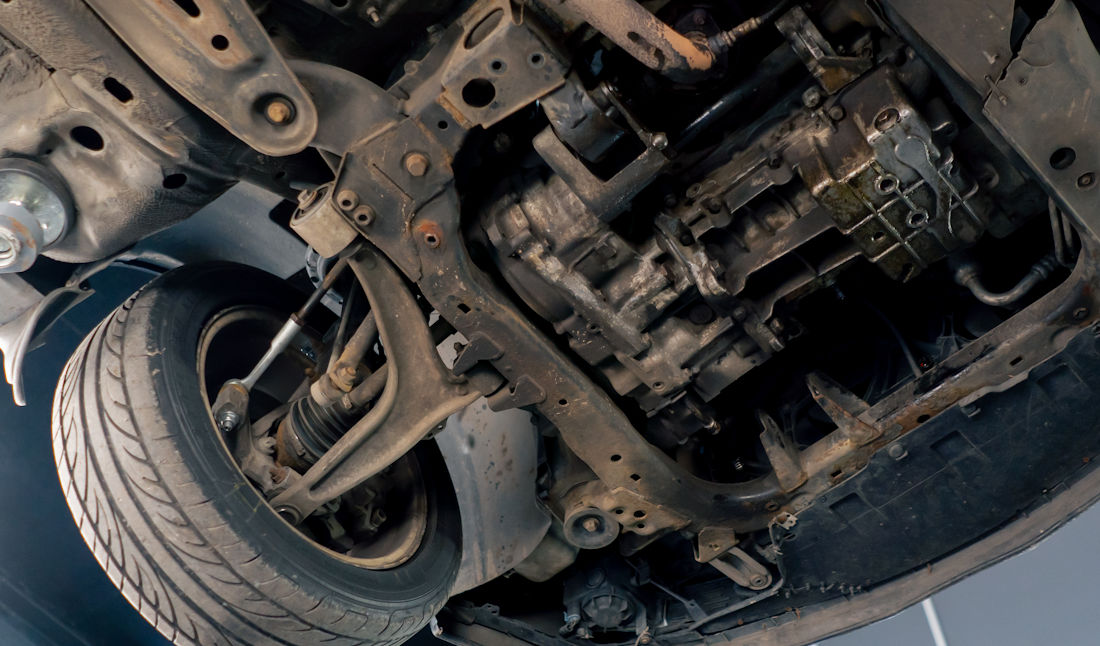
Standing water and flood waters are a risk to a vehicle’s undercarriage because these waters can be contaminated and abrasive. Water can seep into mechanical cavities, leading to corrosion and rust.
Your best defense for the undercarriage is to get it cleaned by your car detailer. Detailers offer special exterior services to address the undercarriage, which is otherwise difficult to access. This will flush the area free of salt and contaminants from flood water. Even if there hasn’t been a flood, an undercarriage cleaning is always a good idea once and a while.
Rubber Seals and Coatings
Rubber is notorious for trapping moisture, which can be an issue in our wet climate. Rubberized coatings can chip and trap moisture over time. Corrosive elements can also degrade rubber seals, causing them to lose their flexibility.
There are quality rubber conditioners and seal protectant products available that can prolong the life of rubber on and in your vehicle. Your car detailer will have access to all of the best products.
Vehicle Filters
Salty air along the coast can hurt the engine air of a vehicle. You’ll want to prevent salt buildup on your filter under the hood and replace the seals if necessary.
But the biggest threat is wildfire smoke and its impact on air quality. A standard filter cannot catch ultra-fine toxic particles as well as an activated carbon or HEPA-certified vehicle cabin filter. Consider upgrading your air filter, and if you’re driving through wildfire smoke, keep the windows up and ensure air is circulating within the cabin rather than pulling air from outdoors.
Paint Protection
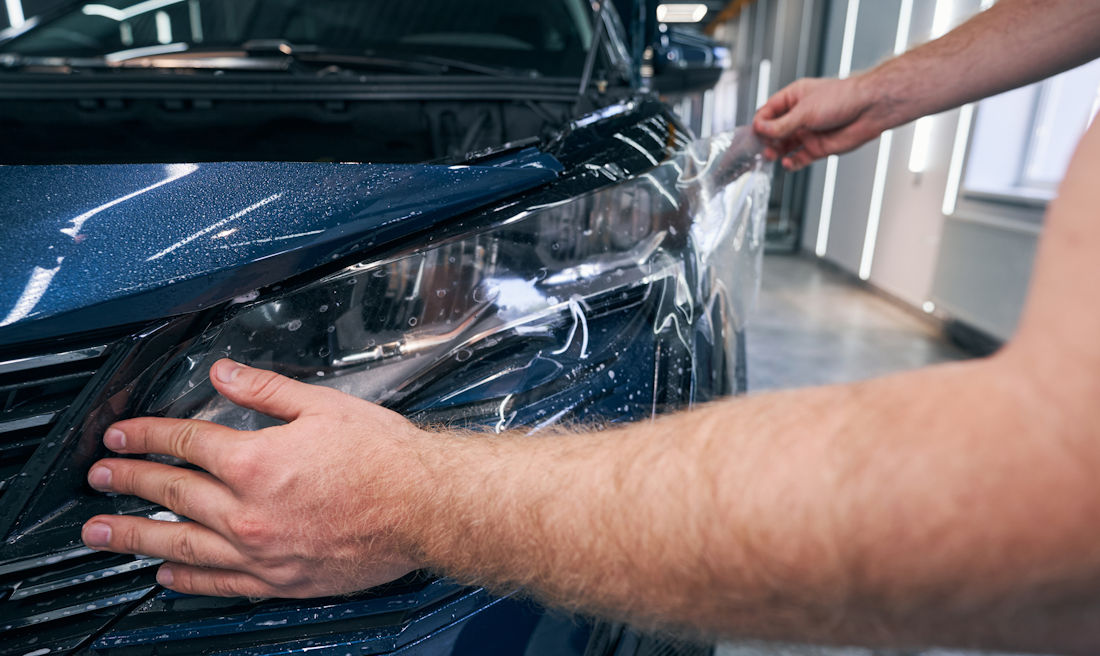
Rainfall isn’t a direct threat to a vehicle’s paint, but flood water can be. If you can, avoid flooded areas at all costs and rinse off corrosive dirt if you do come in contact with contaminated water.
Salt brings a real threat of oxidation and rust. Purchasing a high-quality wax, sealant or ceramic coating is a solid strategy for long-terms defence, as it creates a barrier that can protect against salt.
If your vehicle comes into contact with ash from a nearby wildfire, do not wipe it dry. Instead, hose it down thoroughly before going anywhere near with a rag or sponge.
Keep your vehicle looking its best in this Vancouver Island climate by taking it in for regular detailing. At Mill Bay Auto Spa, we’ll work on the interior and exterior with luxurious, spa-like treatments. Ask about undercarriage washing, clay bar decontamination, ceramic coating and other services to defend against the elements.